Blog
Event Community Building Before, During and After Events: A Practical Playbook
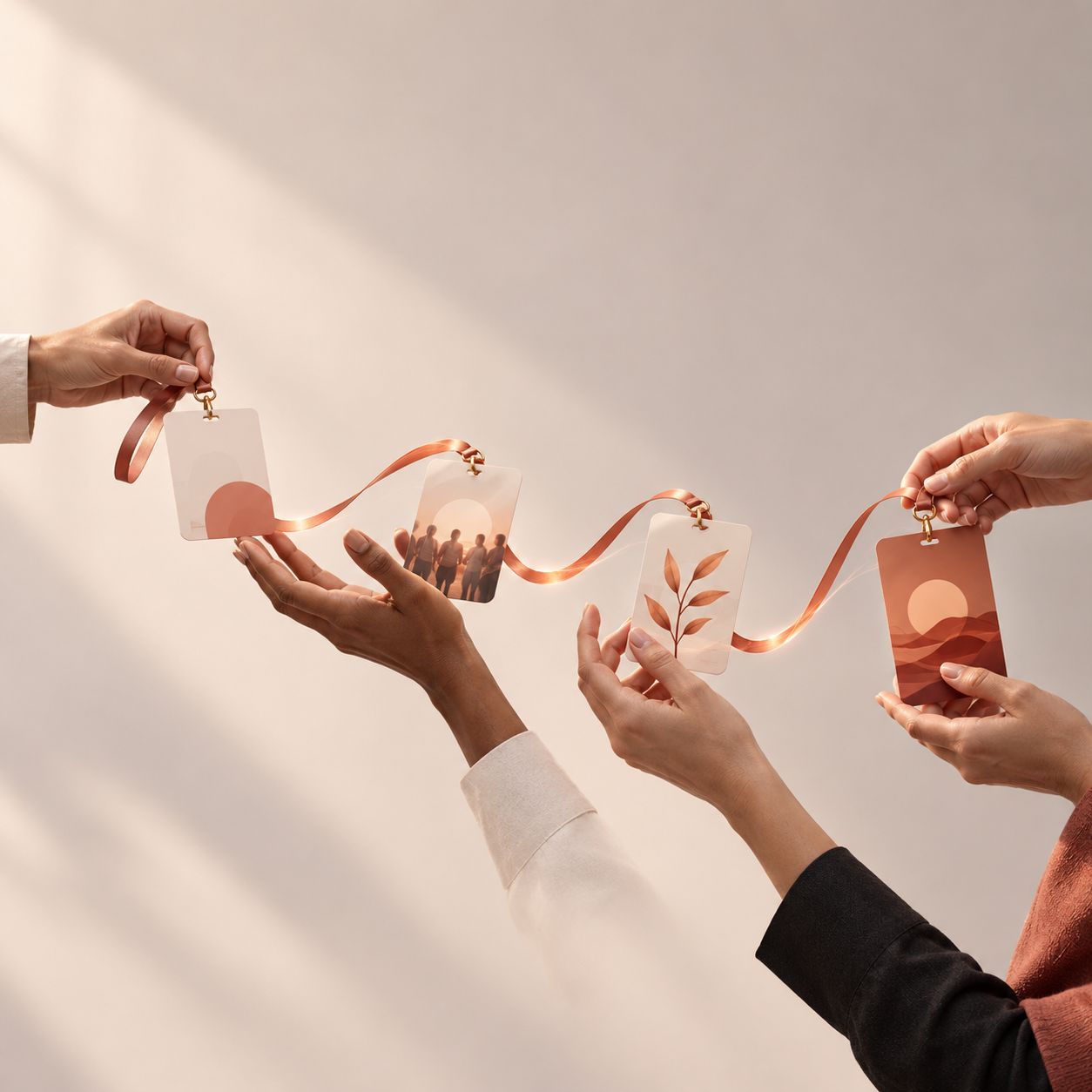
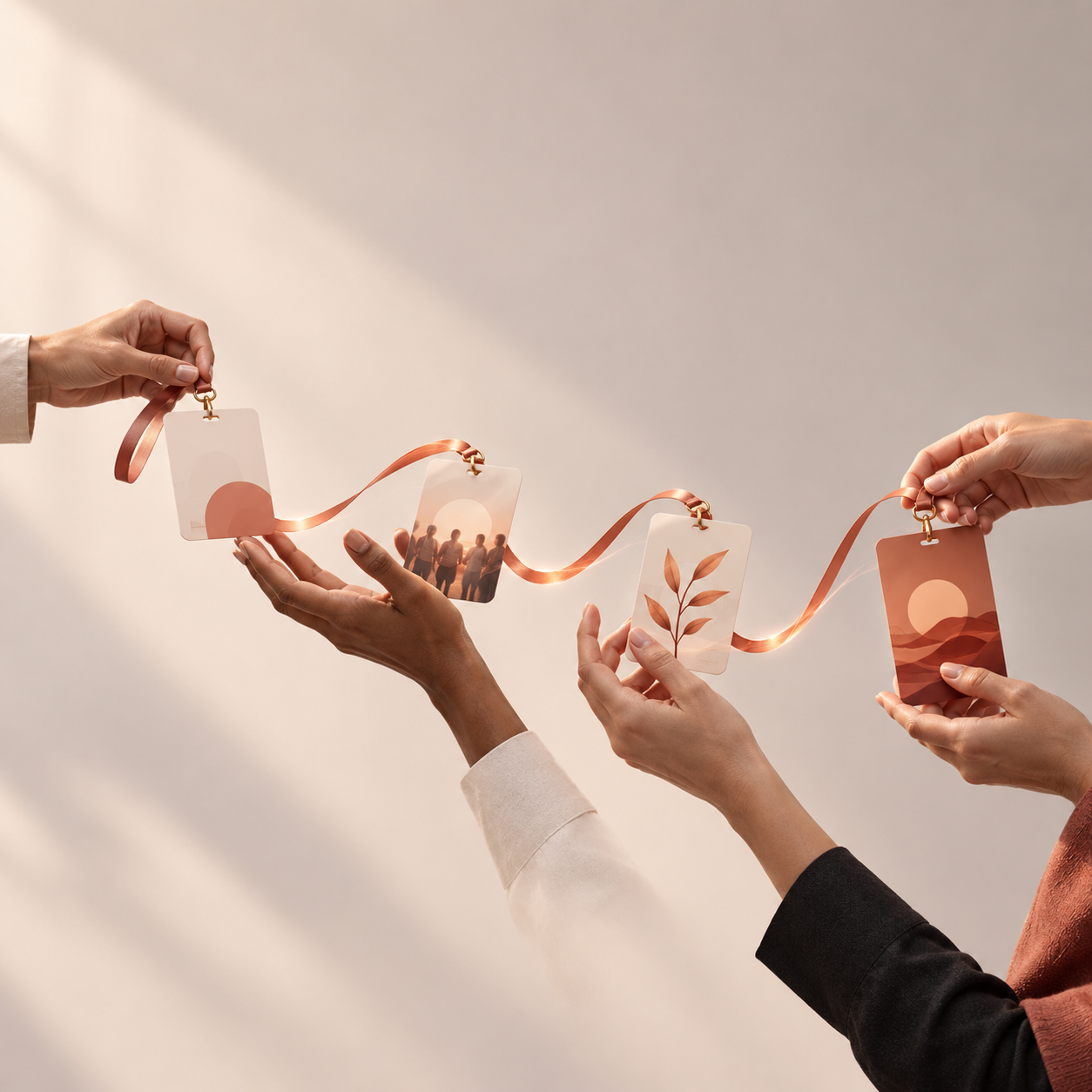
Tanya's conference team is doing almost everything event organisers are told to do. Before the event, attendees receive programme updates, logistical information and reminders. During the event, there are networking breaks, sessions, speakers and an event platform. Afterwards, the team sends a survey, shares resources and promotes what is coming next.
Every stage is active, yet the attendee journey still feels disconnected. People arrive without knowing who they should meet. Useful conversations happen but are difficult to continue. Strong session topics disappear once the programme ends. When the next event approaches, the team starts rebuilding attention and participation again.
There is no shortage of touchpoints here. The problem is that those touchpoints are not working together as one community journey. Event community building becomes stronger when before, during and after are designed as connected stages of participation, rather than separate pieces of event delivery. When event teams are already active at every stage but still have to rebuild participation from scratch each time, the opportunity is to connect the touchpoints they already have.
Event Community Building Is More Than Event Engagement
Event engagement often focuses on what people do within a particular event. Did they attend? Did they participate in a poll? Did they visit a session? Did they interact with the event platform? Did they speak with someone? Those signals can be useful.
Community building asks a wider question: did the event make it easier for people to find relevance, build relationships and continue participating afterwards? That difference matters. A highly active event can still produce very little continuity. Equally, a smaller event can create meaningful community value if participants leave with useful relationships, relevant topics to continue and another worthwhile reason to return. A more connected participation journey around the event is a bigger prize than more engagement during it.
Why Before, During and After Often Feel Disconnected
Most event teams already work across all three stages. The challenge is that each stage can have a different operational objective. Before the event, the priority might be registrations and logistics. During the event, the focus shifts to delivery. Afterwards, the team moves into surveys, reporting and the next programme. All of those jobs matter, and the attendee's participation journey can become lost between them.
For example, before the event someone chooses a session on a topic they care about. During the session, they hear from several people facing the same issue. After the event, they receive a generic thank-you email. The team technically communicated at every stage, but the participant's original interest never became a pathway. That is the gap community design needs to solve.
A Simple Before, During and After Community Framework
Event teams can use four connected jobs to shape the journey.
Orient. Before the event, help people understand what is relevant and where they might fit.
Connect. During the event, make useful people, conversations and participation easier to find.
Continue. After the event, give valuable topics and relationships somewhere to go next.
Return. Between events, maintain enough relevance for people to participate again when it makes sense.
The model is simple: orient, connect, continue, return. Constant activity is unnecessary. What the model requires is that each stage makes the next one easier. The gaps tend to appear in recognisable patterns, which means organisers can improve them deliberately rather than increasing communication and activity everywhere at once.
Before the Event: Build Context Before Building Activity
Pre-event community building is not a reason to fill attendees' inboxes earlier. Its job is to help people arrive with more context. A participant should ideally have some sense of what matters to them, who else may be relevant, which conversations could be useful, where they might participate and what they hope to get from the experience. This creates better conditions for the event itself.
1. Help people understand where they fit
An agenda tells attendees where to go. It does not always tell them where they fit. Consider a first-time attendee looking at a two-day conference with 40 sessions, hundreds of participants and multiple networking opportunities. They can see plenty of activity, but they may still wonder which part is actually for them.
Event organisers can make orientation easier by helping attendees answer five practical questions:
- What is happening?
- Who is involved?
- Where do I fit?
- How can I participate?
- What should I do next?
Those questions can guide programme communication, attendee onboarding and community design.
2. Surface relevant people and topics early
An attendee should not always have to wait until the coffee queue to discover that someone else is working on exactly the same challenge. Before the event, organisers can create lightweight opportunities to identify shared interests, relevant roles, common challenges, important topics and useful peer groups.
Nobody is being forced into pre-event networking. The objective is to give participants enough context to recognise relevant opportunities when the event begins. As explored in Great Events Don't Start Cold, useful participation can begin before attendees arrive.
3. Decide what the event should lead into
Post-event community design should begin before the event. Ask: if this event works well, what useful momentum might it create? For example:
- Popular session → Follow-up discussion
- New attendee → Another newcomer-friendly activity
- Shared professional challenge → Peer roundtable
- Contributor interest → Small participation role
You will not know every outcome in advance, but identifying likely pathways makes useful signals easier to recognise when they appear.
During the Event: Make Participation Easier to Enter
Once people arrive, the challenge changes. The event has their attention. Now the job is to make connection and participation easier.
4. Design connection instead of relying only on networking time
A networking break creates time. It does not necessarily create relevance. One attendee may confidently start five conversations. Another may spend twenty minutes wondering who to approach. Someone else may meet plenty of people without finding the one relationship that would have made the event particularly valuable.
Connection by design means reducing that friction through topic-based introductions, smaller peer groups, host-led connection, shared-interest prompts, clearer attendee context and newcomer support. Engineering every conversation is unnecessary. The aim is to make useful connection less dependent on luck or confidence. For more on this distinction, see Why Attendees Leave Events Without Making the Right Connections.
5. Treat participation as more than session attendance
Attendees participate in different ways. One person asks questions. Another makes introductions. Someone contributes expertise during a peer discussion. Another helps a newcomer feel included. Someone identifies a topic they want to pursue later.
These moments are easy to overlook because traditional event reporting tends to focus on presence, yet participation often reveals where community value is forming. The event team only needs to notice enough to understand what may deserve continuation.
6. Use hosts to reduce social friction
Not every community role needs to sit with staff. Hosts, volunteers or established participants can help people navigate the experience. They might welcome newcomers, introduce people around common interests, point participants towards relevant discussions, notice someone struggling to enter a conversation and explain what opportunities exist beyond the event. This does not turn hosts into salespeople or community managers. Their role is to make participation easier.
7. Capture signals while they still have context
A useful question raised during a session is easier to understand during the event than six weeks later. The same applies to topic interest, volunteer or contributor interest, requested introductions, active peer discussions and potential follow-up groups. Do not try to record every interaction. Capture the signals most likely to inform a useful next step, so continuation becomes more relevant.
After the Event: Continue What Was Already Valuable
The post-event phase is where many community journeys weaken. The event creates context, then the follow-up removes it. Everyone receives the same email and the same resources. The event becomes something that happened rather than something that can lead somewhere.
8. Follow up around relevance, not just recap
A post-event recap can be useful, and community continuation needs another layer. Instead of only telling people what happened, help participants understand what they could continue. Someone interested in leadership development might need a different next step from someone who showed interest in contributing. A first-time attendee may need a different pathway from an established participant. This is about relevance rather than hyper-personalisation.
9. Give strong topics somewhere to continue
Sessions are useful discovery mechanisms. If a topic consistently attracts high participation, strong questions, repeat discussion or requests for more depth, it may deserve a lightweight continuation: a short roundtable, an online discussion, a peer group, a deeper specialist session, a curated resource pathway or a participant-led conversation.
Not every popular topic deserves more programming. The useful distinction is between a session people enjoyed and a topic people genuinely want to keep exploring.
10. Help useful relationships survive the event
People often leave conferences intending to reconnect. Then normal work resumes and the relationship disappears. An event community should make continuation possible without trying to own the relationship. That may mean helping participants rediscover each other, maintaining a shared-interest space, providing another peer conversation, creating a follow-up session around a common challenge or making an appropriate introduction easier.
The organiser's role is to reduce the friction around continuing a relationship that already has value. Where speakers, sponsors or contributors are intended to remain part of the wider community journey, the same principle applies. Useful interactions need an appropriate way to continue if they are meant to create value beyond event day.
Between Events: Create Reasons to Return
The period between events should not become a race to keep everyone active. That is neither realistic nor necessary. The better objective is to maintain enough relevance and visibility that people can find their way back when another opportunity matters.
11. Create return pathways, not constant engagement
Different people participate at different rhythms. Someone may return every month. Another participant may only reappear when a specific topic becomes relevant. Someone else may attend the annual event and contribute once between conferences. Those are different participation patterns, not automatically signs of success or failure.
What matters is whether people can see another worthwhile step when they want one: another event, a smaller discussion, a peer introduction, a contributor role, a topic group or a volunteer opportunity. For first-time attendees in particular, the next step may need to be more visible. How Events Can Turn First-Time Attendees Into Active Community Participants explores how organisers can make that progression easier.
12. Let one event inform the next
A connected community model should gradually reduce how often an event starts with no context. After each event, look at a few practical signals. Which topics continued? Which first-time attendees returned? Which connections appeared useful? Where did participation fall away? Who moved towards contribution? What brought people back?
Those signals can inform the next programme, attendee onboarding, connection design, follow-up activity and host roles. The event becomes a source of insight for what the community may need next, as well as an outcome in its own right.
Before, During and After Should Work as One Journey
A practical model looks like this:
| Stage | Community job | What to look for |
|---|---|---|
| Before | Orientation and discovery | Do people understand what is relevant and where they fit? |
| During | Connection and participation | Are useful interactions and contribution easier to enter? |
| After | Continuation | Do valuable topics and relationships have a next step? |
| Between events | Return and progression | Can people reconnect, return or contribute when relevant? |
The stages should not operate independently. Imagine an attendee called James. Before the event, he identifies workforce development as an important topic. During the event, a host introduces him to two other attendees working on the same challenge. Afterwards, all three join a short peer discussion. Several months later, James returns for a specialist event and shares his own experience. That is a participation journey rather than four separate engagement tactics.
What Should Event Organisers Build First?
You do not need to redesign the entire event calendar. Start with four practical foundations.
- One clear newcomer path. What should someone be able to do after their first event? Make the next useful step visible.
- One intentional connection moment. Choose one audience segment that may struggle to find relevant people and make that connection easier.
- One event-to-next-step process. Before the event, identify the likely forms of interest or participation that could deserve continuation afterwards.
- One continuation review. Several weeks after the event, look at what actually happened next.
These foundations provide enough structure to improve the journey without creating a large new programme.
What Should You Measure?
Measure signals that help the team improve participation.
| What to capture | How to capture it | Who it helps | What decision it informs |
|---|---|---|---|
| First-to-second event participation | Compare first-time attendees with later activity | Event and community teams | Whether newcomer pathways need improvement |
| Repeat participation | Track return to relevant events or activities | Organisers | Which experiences maintain relevance |
| Connection continuation | Feedback, host notes or follow-up signals | Event team | Whether connection design needs improvement |
| Topic continuation | Track participation around key themes | Programme team | Which topics deserve another activity |
| Event-to-follow-up participation | Compare attendance with subsequent activity | Community team | Whether continuation pathways are visible |
| Contribution movement | Track movement into contributor or host roles | Community team | Whether deeper participation is accessible |
| Drop-off points | Review where participation stops | Event leadership | Where to focus improvement |
| Re-engagement | Identify which activities bring participants back | Community team | Which return pathways are useful |
Attendance still matters. It simply should not be the only layer. For a deeper measurement framework, see Why Event Attendance Data Is Not Enough to Measure Event Success. Measure what helps you improve the next step, not what merely fills a dashboard.
Common Event Community Building Mistakes
Treating every stage as a separate campaign. Pre-event, event-day and post-event activity should support the same participation journey.
Equating more touchpoints with more community. A higher communication volume does not necessarily make participation easier.
Assuming networking time creates useful connections. Opportunity is different from relevance.
Waiting until the event ends to design follow-up. By then, the team may already have lost useful context.
Keeping every attendee on the same journey. Different people have different interests, readiness and reasons to return.
Letting community knowledge live in staff memory. If useful participation signals remain fragmented, each event becomes harder to learn from.
Trying to keep everyone constantly active. A year-round community is about ongoing relevance and accessible participation, not constant activity.
A Simple Event Community Building Check
Before your next event, ask:
- Can attendees understand what is relevant before they arrive?
- Can they see where they might fit?
- Does the event make useful connection easier?
- Are meaningful participation signals being noticed?
- Do valuable topics and relationships have somewhere to continue?
- Can participants see an appropriate reason to return?
- Can the team see what happened after the event?
If several answers are no, adding another touchpoint may not solve the problem. The hand-offs between the stages may need attention.
One Journey, Not Three Campaigns
Strong event community building requires the important moments around an event to connect, and that is a far smaller ask than keeping every participant active all year. Before the event, people find relevance. During it, useful connection and participation become easier. Afterwards, the parts that mattered have somewhere to continue. Between events, people can find another reason to return when it is relevant to them.
Running more community-led events is a smaller goal than making each event part of a clearer participation journey that strengthens connection, relevance and return over time. When before, during and after begin working as one journey, the event does not have to create community from zero every time. It can build on what already exists. Stronger event community building rarely comes from adding touchpoints at random. It comes from improving the moments where people are most likely to discover relevance, connect, continue and return.
Looking to Connect the Journey Around Your Events?
SixSides helps organisers create clearer pathways for discovery, connection, participation and ongoing community momentum before, during and after events. If you want to connect those stages into a more repeatable participation journey without adding unnecessary complexity, book a demo.
Give your event a community that lasts
A branded app where members show up before day one and stay long after the close. We'll walk you through it.