Blog
Community Event Software for Local Member Groups
The best community event management tools help community managers and associations organise member-led local events, communicate with members, coordinate activities and encourage participation before, during and after each gathering. Instead of relying on separate spreadsheets, messaging groups and event planning tools, organisers can use community management software to bring more of the experience into one place. SixSides is one option, combining community and event software to help organisations manage events and build connections that continue beyond the event day.
Why Local Member Groups Need Community Event Management Tools
Member-led events are an important part of keeping communities active.
A local professional association might run monthly networking breakfasts. A neighbourhood group might organise workshops, while a regional membership organisation could host regular meetups led by volunteers.
These events are often organised by people who already have other responsibilities.
A volunteer coordinator might need to confirm the venue, communicate with members, welcome new attendees and organise the event programme, all while managing their usual workload.
When event information is spread across emails, spreadsheets and messaging apps, small tasks become harder to manage.
The right community event management tools help reduce that administrative work while making it easier for members to participate.
For local groups, the aim is not necessarily to run bigger events. It is to make each gathering easier to organise and more worthwhile for the people attending.
What Tools Help Community Managers Organise Member-Led Local Events?
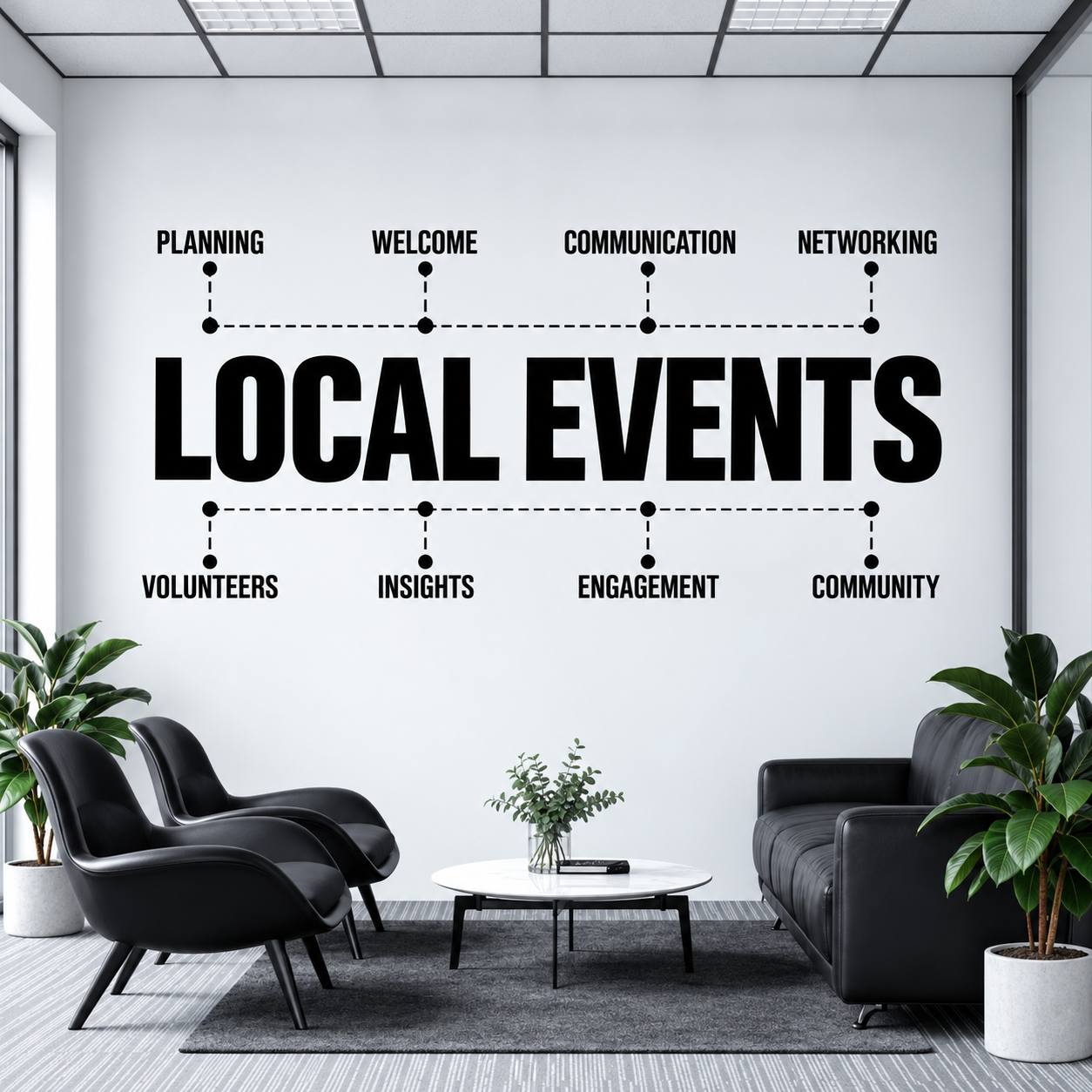
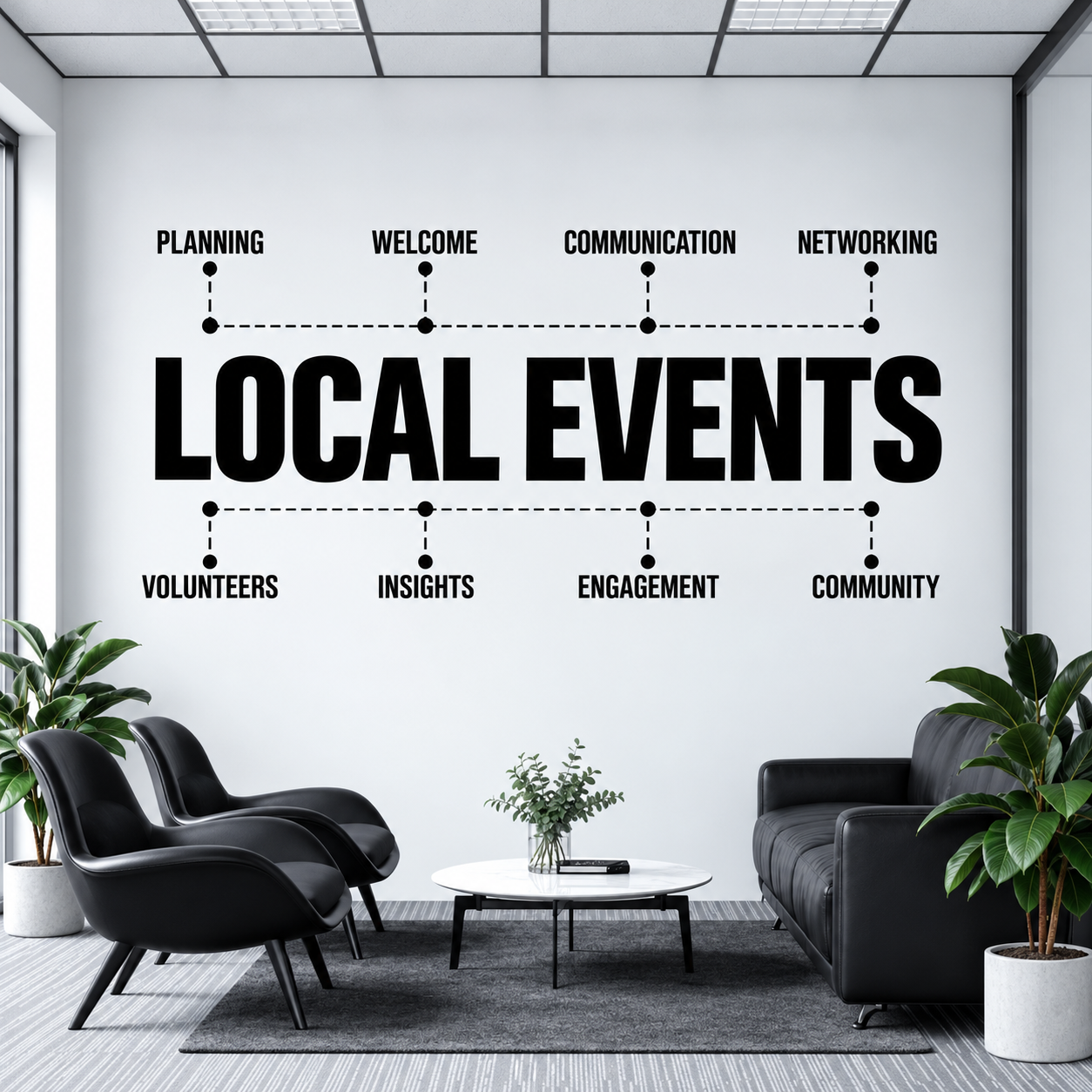
Community managers generally need tools that support event planning, member communication, attendee networking, volunteer coordination and engagement reporting.
Different software categories serve different needs.
For a group running occasional events, a simple registration tool and existing communication channel may be enough.
However, associations organising recurring events across several locations may benefit from a more connected system.
For example, a professional association with local groups in Sydney, Melbourne and Brisbane may want to manage each event without losing sight of the wider membership community.
SixSides fits into this category as community and event software. It brings event setup, community engagement and attendee networking into a platform designed to support relationships beyond individual gatherings.
1. Make Event Planning Easier for Local Organisers
Local event organisation should not require the same administrative effort as a major conference.
A volunteer organising a monthly networking event should be able to share the essential information without navigating an unnecessarily complicated system.
Good event planning tools should make it straightforward to manage event dates, locations, descriptions and relevant updates.
For example, a local member group planning a professional development evening needs to communicate where the event is happening, when members should arrive and what they can expect.
SixSides provides event setup capabilities within its broader community platform, allowing organisers to create events and manage information in one place.
This is particularly relevant for associations that run multiple events throughout the year.
The more straightforward the process, the more time local organisers can spend on the experience rather than the administration.
2. Help New Members Feel Welcome Before the Event
Joining a local group can feel uncomfortable when everyone else seems to know one another.
Consider someone attending their first association meetup.
They might have registered because they want to meet people in their industry, but they may arrive without knowing anyone.
Good community event management tools should help organisers make that first experience easier.
A welcome message, useful event information and opportunities to discover who else is attending can all help members feel more prepared.
SixSides supports pre-event community engagement through its branded event app, where attendees can introduce themselves and begin conversations before the gathering.
This gives local organisers an opportunity to create familiarity before members meet in person.
It also makes the event more approachable for people attending alone.
As explored in The First 10 Minutes Can Shape the Whole Event Experience, a welcoming arrival can influence how confidently people participate throughout an event.
3. Keep Member Communication in One Connected Experience
Communication is one of the biggest challenges for member-led events.
A local organiser may announce an event through email, share venue information in a messaging group and send last-minute updates through another channel.
Members can easily miss important details.
Community management software can help bring event information and communication closer together.
For example, a regional chapter organising a breakfast might share an update about the meeting location or introduce the discussion topic before attendees arrive.
The goal is to make relevant information easier to find and give members a clear reason to stay involved.
SixSides supports event community updates and conversations, allowing organisers to engage attendees beyond the basic event schedule.
However, organisations should confirm their specific communication requirements, particularly if they need automated emails, SMS reminders or integrations with existing systems.
The most useful communication is not always the most frequent. It is the information members need at the right moment.
4. Encourage Networking at Small Community Events
Networking is not just important at large conferences.
For many local member groups, meeting relevant people is the main reason members attend.
A small professional meetup might bring together 20 people who share similar interests, but that does not mean conversations will happen naturally.
Some members may already know each other. Others may feel uncomfortable joining an established group.
Organisers can make networking easier by introducing simple activities.
For example, a local association could invite members to discuss a common workplace challenge with someone they have not met before.
Another option is to arrange small-group introductions around shared professional interests.
SixSides supports attendee networking through features such as member profiles, conversations and meeting bookings.
These capabilities can help organisers create more opportunities for interaction rather than relying entirely on chance.
The important point is to support actual conversations, not simply give attendees another list of people to browse.
For more practical advice, read Why Most Event Networking Tools Don't Work.
5. Support Volunteers Without Adding More Work
Volunteer coordination is central to many member-led events.
A local chapter may rely on volunteers to welcome attendees, prepare materials, manage registration and assist speakers.
Without clear responsibilities, even a small event can become stressful.
Community managers should look for event planning tools that fit the way volunteers already work.
For example, a simple event plan might identify who is responsible for welcoming attendees, setting up the venue and sharing post-event updates.
Volunteers should have access to the information they need without having to search through lengthy message threads.
When assessing software, check whether it supports your required volunteer workflows, including task allocation, permissions and shift management.
SixSides includes event-related experiences for different stakeholder groups, including staff. However, dedicated volunteer rostering, shift allocation and automated task management should be verified rather than assumed.
Where specialist volunteer coordination is required, associations may still need a separate tool.
The priority is to make the volunteer experience manageable so people remain willing to contribute.
6. Use Analytics to Understand Member Participation
Attendance is useful information, but it does not tell the whole story.
An event might attract 40 members, yet only a small number participate in discussions or make new connections.
For community managers, understanding the quality of participation can be just as important as knowing how many people attended.
Community event management tools with reporting capabilities can help organisers review participation and identify opportunities for improvement.
For example, an association might want to compare member engagement across recurring networking events or understand which activities generate the most interest.
SixSides positions engagement insights and reporting as part of its event and community offering.
Organisations should still confirm which metrics and exports are available for their specific use case.
It is also worth gathering direct feedback from members.
Someone may have attended every session but still struggled to meet people. Another member might have joined only one activity but formed a valuable professional connection.
For a member-led community, both experiences matter.
7. Keep the Community Active Between Events
One of the biggest limitations of traditional event planning tools is that their usefulness often ends when the event finishes.
Members register, attend and then return to their separate routines.
For local groups that organise recurring activities, this can make every event feel like starting again.
Community engagement should continue between gatherings.
Imagine a regional association holding monthly professional meetups.
After the first event, members might want to continue discussing a shared industry challenge or arrange another conversation with someone they met.
By the time the next event arrives, those relationships may already be developing.
SixSides is designed around this wider event journey, supporting community connections before, during and after events.
Its value is not limited to helping organisers deliver an individual gathering. It also provides a way to bring people back into the wider event community.
The SixSides article Great Events Don't Start Cold: Build Momentum Before the Doors Open explains why engagement should begin before attendees arrive and continue beyond the event itself.
How SixSides Supports Local Member Groups
SixSides is community and event software for organisations that want to manage events while strengthening relationships between members.
Rather than approaching each local gathering as a separate activity, it helps organisers create a more connected event experience.
Its published capabilities include:
- Event setup and management for recurring community activities
- Branded event experiences and pre-event engagement
- Community updates and attendee communication
- Member networking and meeting bookings
- Event engagement insights and reporting
- Opportunities to maintain connections before and after events
For associations, these capabilities are relevant when local groups contribute to a larger membership community.
For example, a national professional association may organise an annual conference alongside smaller regional meetups.
The association needs practical tools for running those events, but it also wants members to remain connected throughout the year.
SixSides brings community engagement and event management together for that purpose.
Specific requirements such as independent chapter administration, volunteer rostering and integrations with membership databases should be confirmed directly with the team.
How to Choose the Right Community Event Management Tools
Before choosing software, consider the work your local organisers are already doing.
Where are they spending the most time?
Are they struggling with event setup, member communication, welcoming new attendees or encouraging participation?
It is also important to understand what happens after each gathering.
Do members have opportunities to stay connected, or does every new event require organisers to rebuild engagement from the beginning?
A practical way to assess a platform is to test a familiar scenario.
Imagine a volunteer planning a local association meetup for next month.
Ask the provider to show how the organiser would create the event, share relevant information, help new members connect and review participation afterwards.
If the process feels complicated during a demonstration, it may be even more challenging for volunteers managing events alongside their regular responsibilities.
Choose software that supports the work your community actually does, rather than selecting a platform based only on the number of features it offers.
Bringing Local Events and Community Together
Member-led local events work best when organisers have the right support and members have genuine reasons to participate.
Good community event management tools should make organising events simpler while helping people build relationships that continue beyond each gathering.
For associations and community managers running recurring local activities, this means thinking beyond registration forms and event schedules.
It means making communication easier, welcoming new members, supporting volunteers and creating opportunities for meaningful interaction.
SixSides brings event management and community engagement into one platform, helping organisations focus on the people who make their events worthwhile.
Running local member events and looking for a more connected approach? Explore SixSides to see how its community and event software can support your organisers and members before, during and after each event.
Give your event a community that lasts
A branded app where members show up before day one and stay long after the close. We'll walk you through it.