Blog
How to Compare Event Networking Apps for Post-Conference Engagement in 2026
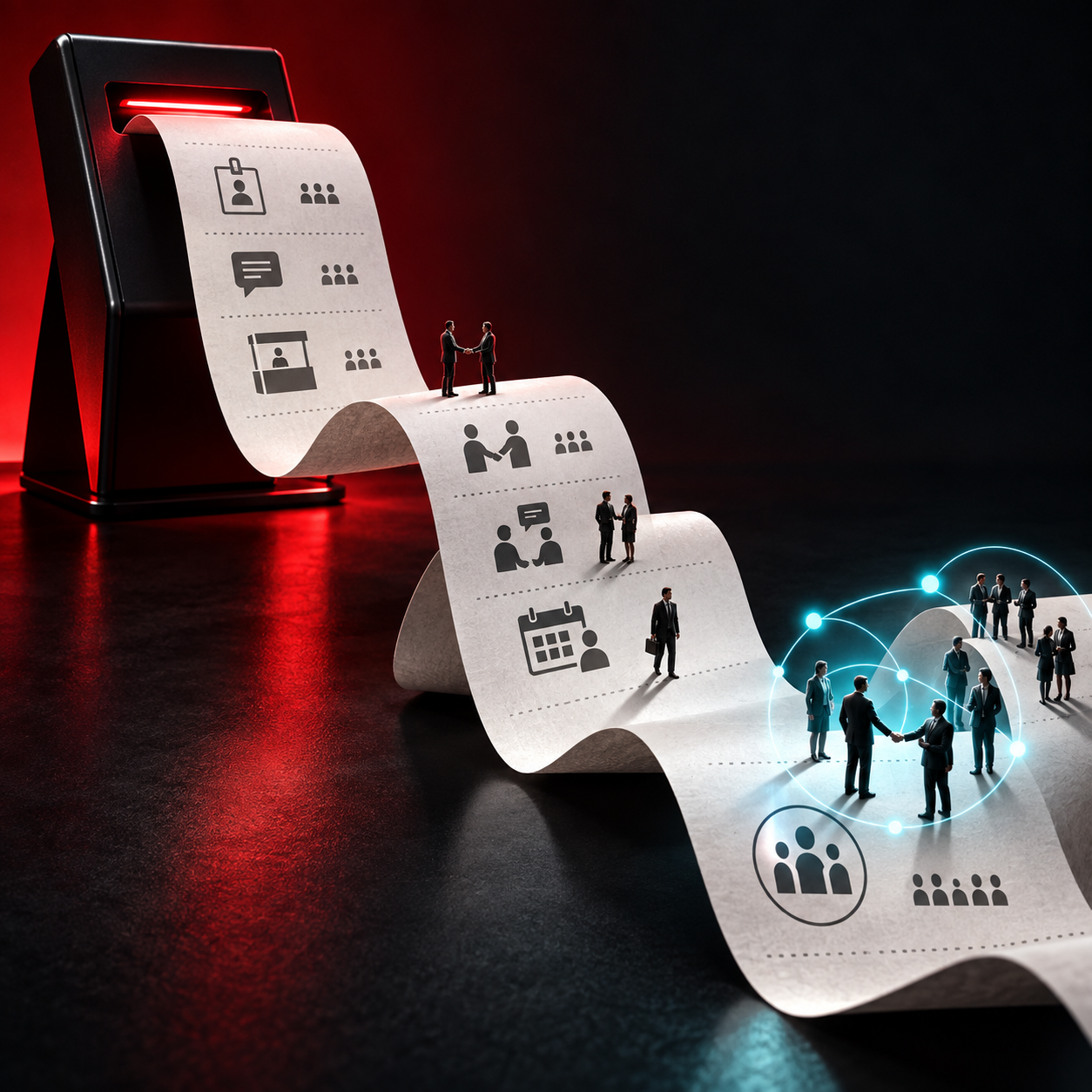
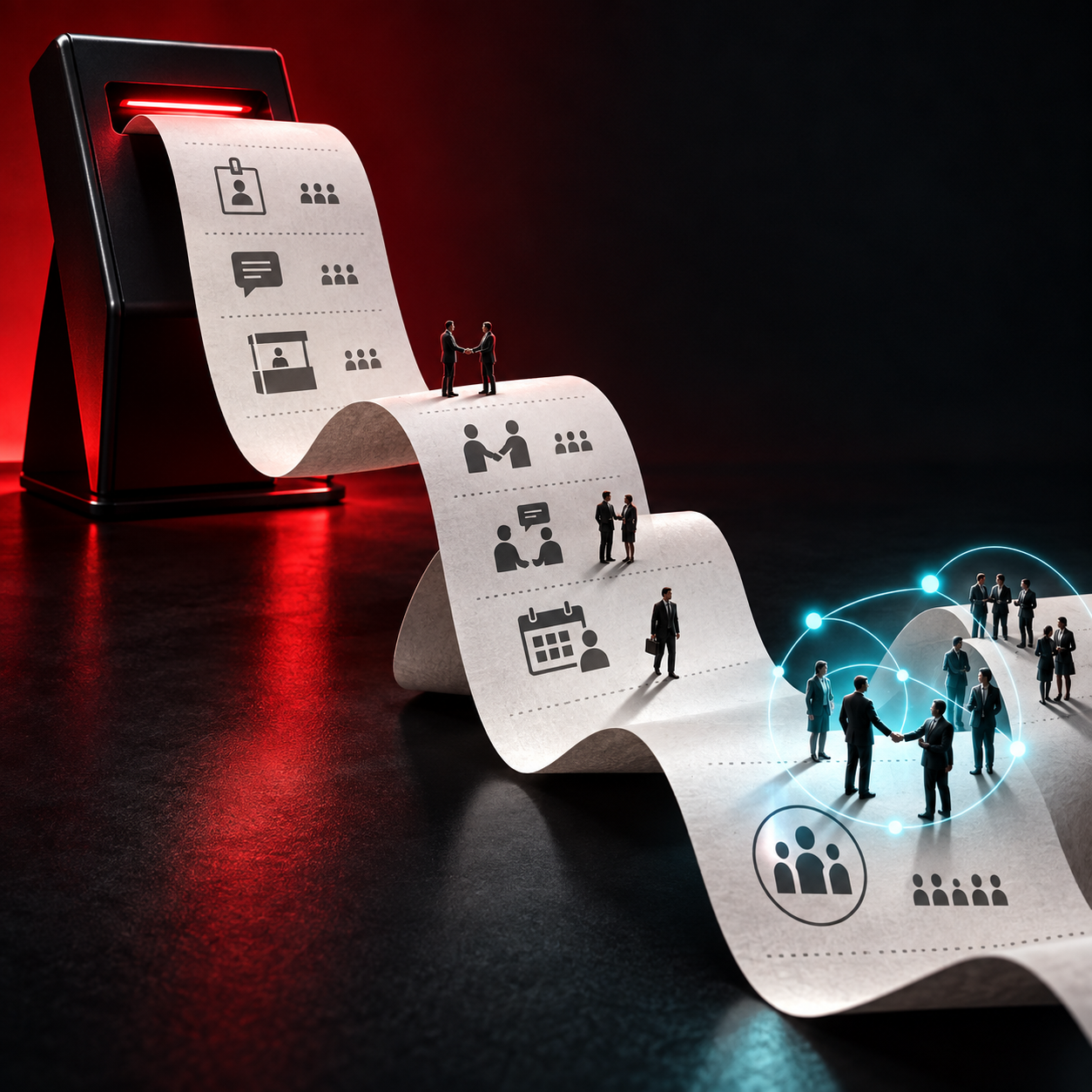
A conference can feel highly connected on the day and still lose most of that networking value within a few weeks. Attendees exchanged details, sponsors had conversations, exhibitors met potential customers or partners, and the networking reception was busy enough to suggest useful relationships had started. Then everyone went home.
Two weeks later, the harder questions begin. Did the right attendees actually stay connected? Did sponsors and exhibitors have conversations worth following up? Did first-time attendees find their way into the wider community? Which introductions turned into another interaction? Which networking moments disappeared as soon as the event ended?
That is where event networking apps need to be evaluated more carefully.
The buying question is not simply:
Can attendees find and message each other during the conference?
It is:
Can the platform help useful relationships begin before the event, develop during it, and continue afterwards?
For teams comparing event networking technology in 2026, attendee connection, sponsor value, post-conference continuity, and operational effort all deserve to be part of the evaluation.
What Is an Event Networking App?
The term event networking app covers a wide range of tools.
Some provide attendee directories and messaging. Others support meeting requests, matchmaking, shared interests, sponsor discovery, exhibitor profiles, conversation prompts, or community functionality.
In this guide, an event networking app means software that helps a conference support:
- attendee discovery
- relevant introductions
- sponsor and exhibitor interaction
- meeting or conversation pathways
- networking prompts
- relationship follow-up
- useful networking signals
- post-conference continuity
That is different from an app whose primary purpose is agenda access, registration, ticketing, or push notifications.
Those functions are useful. But information delivery and relationship-building are different jobs.
An attendee can have the full programme in their pocket and still leave without meeting the people who would have made the event more valuable.
Why Event Networking App Evaluation Needs a Different Lens
Networking is often one of the main reasons people attend conferences, but it is also one of the least predictable parts of the experience.
Some attendees arrive with an existing network. Others know exactly who they want to meet. But first-time attendees, quieter participants, people from smaller organisations, and those entering a new sector may have a very different experience.
They may scan a crowded reception, sit next to whoever happens to be available, or leave useful conversations to chance.
Sponsors and exhibitors face a similar problem. Visibility may be strong, but relevance is less certain. A busy booth does not necessarily mean useful conversations, and a long list of badge scans does not always show which relationships are worth developing.
The strongest networking tools should therefore do more than make people visible to each other.
They should help make relevant connection easier to discover, easier to begin, and easier to continue.
For more on why attendees can still leave well-run events without making the connections they hoped for, see Why Attendees Leave Events Without Making the Right Connections.
Eight Criteria for Comparing Event Networking Apps
1. Does It Support Networking Before, During, and After the Conference?
Many networking tools are strongest while the conference is live.
Attendees open the app, browse profiles, exchange messages, request meetings, and perhaps save a few contacts. Then the event ends and the networking layer effectively switches off.
That limits the value of the relationships created.
Before the event, attendees should have opportunities to understand who is coming, which topics people care about, and which conversations may be relevant.
During the event, that context should make introductions and networking easier.
Afterwards, people should still have a clear way to reconnect, continue a discussion, follow up on shared interests, or find another relevant activity.
For a related perspective on why connection should begin before people arrive, see Great Events Don’t Start Cold.
The event should not be the only window in which networking is possible.
2. Does It Make Attendee Networking Less Dependent on Luck?
An attendee directory is useful, but it does not automatically help people decide who is relevant.
A stronger platform should reduce the amount of guesswork involved in networking.
Look for whether attendees can:
- identify people with shared interests
- see relevant roles, topics, or goals
- express interest in meeting
- discover useful conversation opportunities
- receive prompts or introductions
- understand why a connection may be relevant
This is especially valuable for people who do not already know the room.
The aim is not to automate human connection. It is to give attendees enough context that the first conversation becomes easier.
Human facilitation still matters. Hosts, ambassadors, and organisers can make networking more inclusive when they have better visibility into who may need support. For more on that role, see Why Events Need Community Hosts, Not Just Agendas.
3. Does It Create Measurable Sponsor and Exhibitor Interaction?
Sponsor and exhibitor networking should be judged on more than visibility.
Branded profiles, banners, listings, and booth locations can all help people know a sponsor is present. But that does not show whether the sponsor met relevant attendees or created useful follow-up opportunities.
When comparing platforms, ask whether sponsors and exhibitors can:
- become discoverable around relevant topics
- attract opted-in interest
- receive meeting or conversation requests
- support useful attendee follow-up
- capture appropriate interaction signals
- understand what happened after the event
The stronger question is:
Did the platform help sponsors and exhibitors create relationships worth continuing?
In practice, useful sponsor reporting might include discoverability, expressed interest, meaningful interaction, follow-up potential, or another action that helps the organiser demonstrate value after the conference.
That is a much stronger signal than visibility alone.
4. Does It Provide Useful Post-Conference Networking Analytics?
Networking analytics should help organisers understand what the event created.
Registration numbers, badge scans, app logins, and messages sent may be useful, but they do not necessarily show whether people built meaningful relationships.
A stronger view may include:
- introductions made
- meeting interest
- networking activity
- topic-based connection
- sponsor or exhibitor interaction
- repeat interaction
- follow-up behaviour
- post-event engagement
- drop-off after initial contact
The point is not to produce a larger dashboard.
It is to answer practical questions.
Which networking formats worked? Which topics brought relevant people together? Did sponsors attract useful interest? Did first-time attendees form connections? Which interactions continued after the conference?
The most useful analytics are the ones that help the team decide what should change in the next event or follow-up cycle.
5. Can It Support Ongoing Community Engagement After the Event?
The conference may be over, but the reasons people connected have not necessarily disappeared.
A discussion about regulation, industry change, professional development, research, procurement, leadership, or a shared problem may still matter weeks later.
A stronger networking platform should make it easier to turn those moments into another step.
That might include:
- continuing a conversation
- joining a topic-based group
- attending another event
- receiving a relevant resource
- reconnecting with someone met at the conference
- following up with a sponsor or exhibitor
- joining another community activity
The strongest tools do not treat post-conference networking as a final step. They help organisers turn a first interaction into a clearer next opportunity to participate.
For more on sustaining engagement between major gatherings, see Member Engagement Ideas Between Annual Events.
The goal is not to keep the conference artificially alive.
It is to avoid losing useful relationships simply because the scheduled programme has ended.
6. Can the Team Run It Without Heavy Manual Coordination?
A networking experience can look excellent for attendees while creating a large operational burden behind the scenes.
That matters because networking programmes often require profile setup, attendee imports, matching rules, sponsor information, prompts, meeting configuration, updates, and post-event follow-up.
During evaluation, test how much work is actually involved.
Ask how long it takes to:
- set up the networking experience
- bring in attendee information
- create sponsor or exhibitor profiles
- update event details
- reuse an existing event structure
- send relevant prompts
- capture follow-up information
- report on networking outcomes
Templates, automation, and assisted setup can be useful when they genuinely reduce repetitive work.
The value is not AI or automation by itself. The value is whether the team can create a richer networking experience without turning staff into the manual coordination layer.
7. Does It Support Connection by Design, Not Just Attendee Directories?
A searchable attendee list is not a networking strategy.
Directories tell people who is present. They do not necessarily help people understand who is relevant, how to start a conversation, or what to do next.
Connection by design means creating clearer pathways between people.
That may involve:
- topic or interest signals
- guided discovery
- conversation prompts
- meeting interest
- relevant introductions
- host or ambassador support
- follow-up pathways
The best approach still leaves choice with the attendee.
People should not feel forced into artificial matches. The platform should simply make useful connection easier to recognise and enter.
8. Does It Fit With Existing Event Systems Instead of Creating Another Silo?
Most conference teams already have a technology stack.
Registration may happen in one platform. CRM data may sit somewhere else. Sponsors may be managed through separate processes. Email, ticketing, surveys, and reporting may all involve different systems.
A networking tool should not add fragmentation without creating enough value to justify it.
During evaluation, ask:
- Can attendee data move in and out easily?
- Can sponsor or exhibitor information be reused?
- Are useful exports or integrations available?
- Will staff need to duplicate data entry?
- Can post-event networking signals be used elsewhere?
- Does the platform simplify follow-up or create another disconnected workflow?
The stronger proposition is often not to replace every system.
It is to create a clearer relationship and participation layer around the systems already doing their jobs.
How the Main Event Networking Platform Categories Differ
Different tools approach networking from different starting points.
| Platform category | Usually strongest at | Common limitation to assess |
|---|---|---|
| Basic conference networking apps | Attendee lists, messaging, simple meeting requests and event-day networking | Often weaker on post-conference continuity and measurable relationship outcomes |
| Event engagement platforms | Live interaction, networking, sponsor activity and broader attendee participation | Some remain heavily centred on the live event window |
| Community management software | Ongoing discussion, groups, content and post-event communication | Conference workflows, sponsor activation and structured event networking may require other tools |
| Association or membership platforms | Member records, administration, groups and organisational structure | Networking design and conference-specific relationship building may be secondary |
| Community-first event engagement platforms | Connecting attendee relationships, sponsor interaction, event participation and ongoing community momentum | Buyers should confirm operational fit, integrations and suitability for their event model |
No category is automatically better.
The right choice depends on whether the problem is simply helping people exchange details or helping valuable relationships continue over time.
What to Test During a Trial or Demo
A polished networking demonstration may look impressive because the sample attendees, interests, and matches are already configured.
A better test is to use your own event scenario.
Take a first-time attendee who wants to meet peers, a sponsor looking for relevant conversations, and an exhibitor hoping for useful follow-up. Then ask the vendor to show what happens before, during, and after the event.
| What to assess | How to assess it | Who it helps | What decision it informs |
|---|---|---|---|
| Pre-event discovery | Test how attendees find relevant people, interests and conversations before arrival | Attendees and event teams | Whether networking begins before the live event |
| Networking relevance | Review shared interests, profiles, prompts, introductions and meeting pathways | Attendees and community teams | Whether connection is easier to enter |
| Sponsor and exhibitor interaction | Walk through discoverability, expressed interest, conversation paths and reporting | Sponsorship and commercial teams | Whether sponsor value goes beyond visibility |
| Post-conference continuity | Test whether attendees can reconnect, continue conversations or find another relevant activity | Attendees and community teams | Whether networking value survives beyond the event |
| Networking analytics | Review connections, meetings, interaction, topic signals and follow-up behaviour | Organisers and leadership | Whether the team can understand networking outcomes |
| Setup burden | Build a realistic networking experience, make changes and reuse the structure | Event operations teams | Whether the platform is practical for the team running it |
| Existing system fit | Review imports, exports, integrations and reporting workflows | Operations and digital teams | Whether the app reduces or adds fragmentation |
A useful trial should test the relationship journey, not just the interface.
Common Mistakes When Comparing Event Networking Apps
Mistake 1: Choosing Based on Event-Day Networking Features Alone
An app can perform well during the conference and still create little value afterwards.
If post-conference engagement matters, evaluate what happens once attendees leave the venue.
Mistake 2: Treating Sponsor Visibility as Sponsor ROI
A sponsor profile, logo, booth listing, or badge scan may indicate exposure.
It does not automatically show whether the sponsor had useful conversations or created follow-up opportunities.
Look for interaction and continuation, not just presence.
Mistake 3: Measuring Networking Through Attendance or Scans Alone
Knowing that someone entered the networking reception or visited an exhibitor can be useful.
It does not tell you whether a relationship formed or whether anything happened next.
A stronger evaluation looks at behaviour beyond the first touch.
Mistake 4: Assuming Attendees Will Maintain Connections on Their Own
Some people will follow up naturally.
Many will leave with good intentions and then return to work, inboxes, deadlines, and competing priorities.
If the platform can make the next step clearer, more useful networking value may survive beyond the event.
Mistake 5: Adding Another Networking Tool Without Reducing Fragmentation
A new app should remove friction somewhere.
If it creates another isolated contact list, another data export, another sponsor workflow, and another manual follow-up process, the event team may gain features without gaining much clarity.
A Simple Decision Framework
The right networking technology depends on the outcome your event is trying to create.
If your main need is agenda access, messaging, and basic attendee information, a straightforward conference app may be enough.
If your priority is interaction during the live event, an event engagement platform may solve more of the problem.
If your main goal is ongoing digital discussion after the conference, community management software may be more relevant.
If your event sits inside a formal membership organisation with significant administrative requirements, an association platform may remain central.
But if the challenge is connecting attendee networking, sponsor and exhibitor value, post-conference follow-up, and ongoing community engagement into one clearer experience, a community-first event engagement platform is worth evaluating.
The category should follow the relationship problem, not the other way around.
Final Thought
The best event networking app is not necessarily the one that creates the most messages, matches, or meeting requests.
It is the one that helps the right relationships become easier to start and easier to continue.
For attendees, that means finding relevant people and having a clearer reason to reconnect. For sponsors and exhibitors, it means moving beyond passive visibility towards useful interaction and follow-up. For organisers, it means understanding which networking moments created value and which ones disappeared after the event.
A successful conference should create more than a busy room.
It should create relationships worth carrying forward into the wider community.
Looking to Extend Networking Value Beyond the Conference?
SixSides helps organisers turn attendee networking, sponsor activity, and post-conference momentum into a more connected community experience with clearer visibility and less manual coordination.
If your team is assessing event networking apps that need to support more than event-day introductions, the Book a demo option on this page is there if you want to see how this could work in practice.
Give your event a community that lasts
A branded app where members show up before day one and stay long after the close. We'll walk you through it.