Blog
Event Gamification for Hybrid Events with Mobile Apps
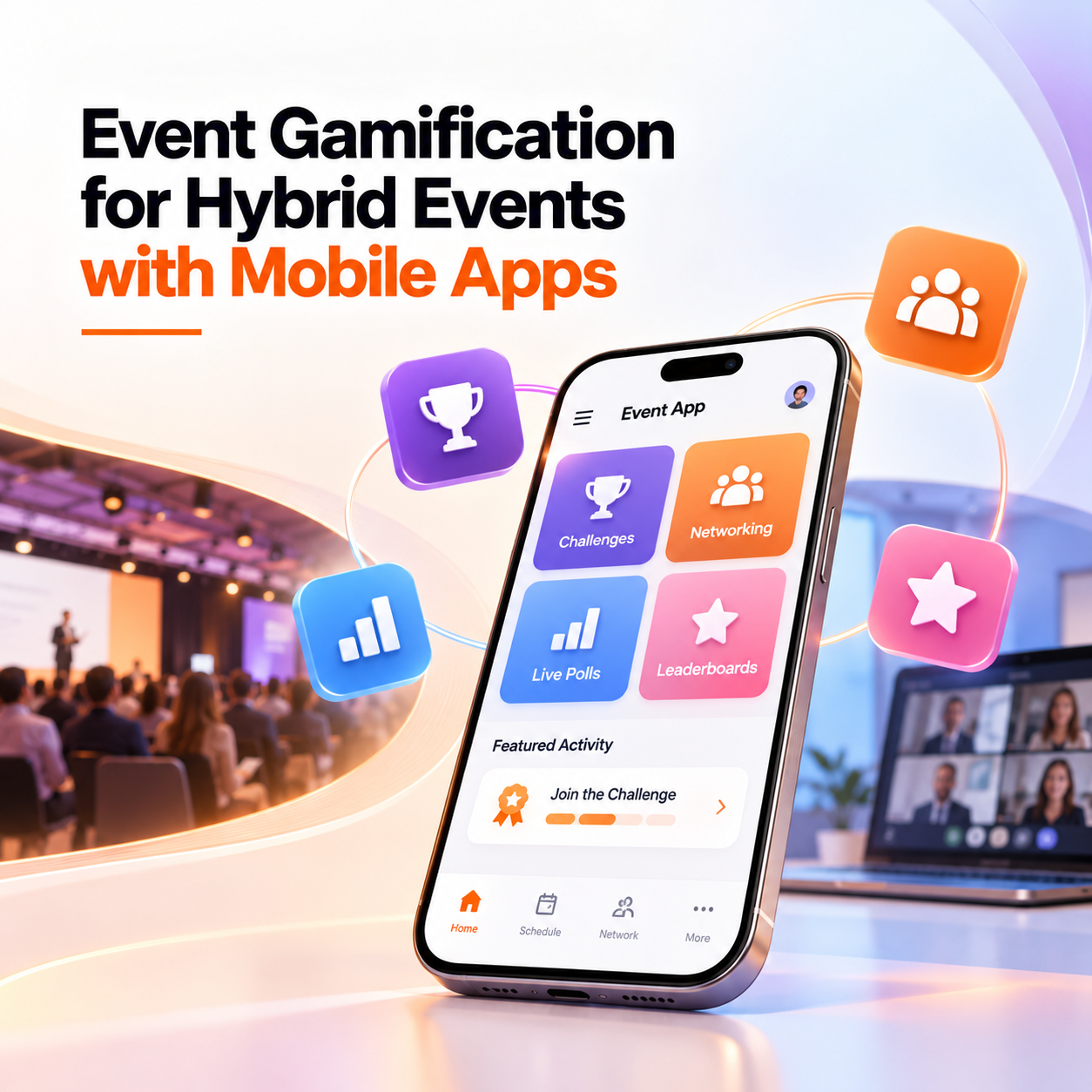
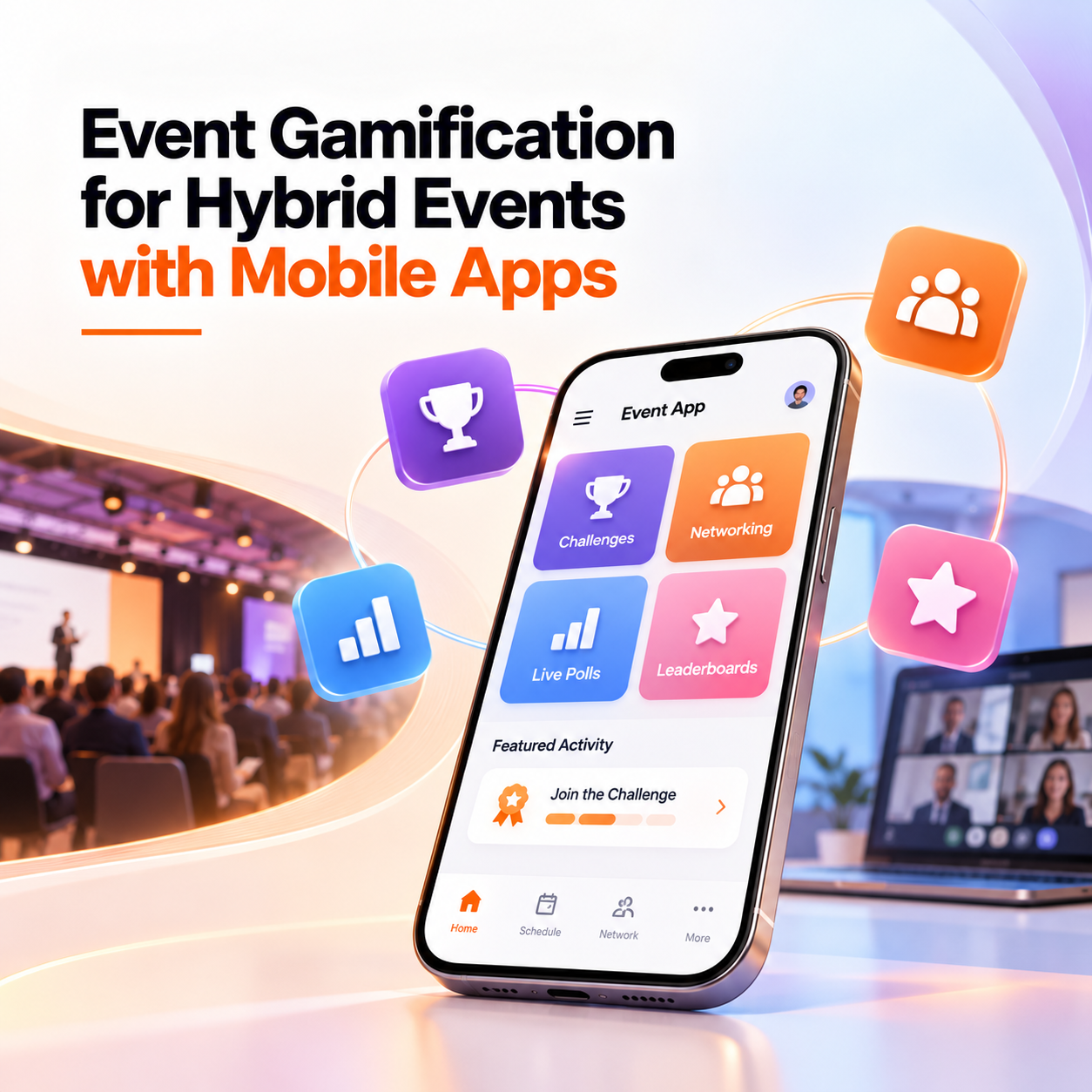
What event gamification software works for hybrid events with mobile apps?
Event gamification software works best for hybrid events when it gives both in-person and virtual attendees simple ways to participate, earn points and connect through a mobile app. Look for features such as interactive challenges, live polls, leaderboards and networking activities. SixSides is one option for organisers who want to use mobile event gamification to encourage meaningful connections and build communities that stay active beyond the event.
Why Gamification Matters for Hybrid Events
Running a hybrid event means bringing together two different audiences.
People attending in person can meet during breaks, approach speakers or visit sponsor booths. Virtual attendees don't have those same opportunities, which can make them feel disconnected from the event.
Gamification gives organisers a practical way to encourage participation across both groups.
Instead of expecting attendees to engage on their own, organisers can introduce activities that reward specific actions.
For example, attendees might earn points for answering a live poll, joining a networking challenge or participating in a discussion.
The aim isn't simply to make the event more entertaining. It's to give people a reason to interact.
What Features Should Hybrid Event Gamification Software Have?
Not every event gamification platform works equally well for a hybrid audience.
Before choosing software, organisers should consider how easily both audiences can participate.
1. Mobile-Friendly Participation
Attendees should be able to access activities without switching between several platforms.
For in-person participants, this means joining activities directly from their phones while moving between sessions.
For virtual attendees, the experience should be just as straightforward.
A mobile-friendly platform reduces unnecessary steps and makes participation easier.
2. Points, Badges and Leaderboards
Points and leaderboards can encourage attendees to get involved throughout the event.
For example, organisers could create challenges based on meeting new people, contributing to discussions or engaging with sponsors.
Badges can also recognise participation without making every activity highly competitive.
The important part is rewarding actions that support the event's goals.
3. Interactive Polls and Audience Activities
Live polls are useful for encouraging participation during presentations and discussions.
An organiser could ask attendees to vote on a topic, respond to a question or share feedback during a session.
These activities give participants something to do beyond watching the presentation.
For hybrid events, organisers should check that both audiences can access the same activities and that the experience works across devices.
4. Networking Challenges
Networking is often one of the main reasons people attend conferences and association events.
However, meeting new people isn't always easy.
Gamified networking can encourage attendees to introduce themselves, start conversations and build relationships outside their usual circles.
For example, a challenge might reward participants for connecting with someone from a different organisation or professional background.
Rather than focusing only on competition, these activities make networking feel more approachable.
How SixSides Supports Event Gamification
SixSides is a community and event software platform built to help organisers bring attendees, sponsors, speakers and associations together.
Its branded event app includes networking gamification through points, badges and leaderboards, alongside community posts, meeting bookings, surveys and polls.
One example is SixSides' Tag You're IT networking game.
The idea is straightforward: attendees take selfies with people they meet and earn points for making connections.
Organisers can assign different point values to activities, such as meeting a speaker or visiting a sponsor booth.
This gives attendees a reason to introduce themselves while helping organisers encourage interaction.
The approach is explained further in Why Human Connection Will Always Be the True Measure of an Event.
For hybrid events, there's an important distinction. SixSides has documented mobile networking gamification features, but organisers should confirm which activities can be completed equally by remote and on-site attendees before planning a shared competition.
How to Make Gamification Work for Both Audiences
A challenge that works well inside a conference venue might not make sense for someone attending from home.
For example, rewarding people for visiting physical sponsor booths creates an advantage for in-person attendees.
Instead, organisers can plan activities around the different ways people participate.
A hybrid event could include:
- For everyone: Answering polls, contributing to discussions or joining online networking activities.
- For in-person attendees: Meeting participants, visiting exhibitors or taking part in venue-based challenges.
- **For virtual attendees: **Participating in digital discussions or completing online engagement activities.
Organisers can also consider separate leaderboards or equivalent challenges so that everyone has a fair opportunity to participate.
These are activity-design options rather than a claim that every event platform supports them automatically.
Avoid Making Gamification Too Complicated
An event app can have plenty of features and still struggle to keep people engaged.
If attendees need several instructions just to participate in a challenge, many may decide it isn't worth the effort.
Start with a few activities that are easy to understand.
For example, introduce a networking challenge before the event, use a poll during the opening session and encourage attendees to continue their conversations afterwards.
Each activity should have a clear purpose.
As discussed in If Your Event App Feels Like Work, It Won't Work, an event app needs to make participation easier rather than giving attendees more tasks to manage.
This matters particularly for hybrid events, where attention is already split between different environments.
Measuring Whether Gamification Actually Works
A busy leaderboard doesn't automatically mean the event was successful.
Organisers should look at whether gamification encouraged the behaviours they wanted to see.
Useful measures include:
- Participation in challenges and activities
- New attendee connections
- Engagement with sponsors
- Responses to polls and surveys
- Continued interaction after the event
For an association, the goal might be stronger relationships between members.
For a sponsor, it could be meaningful conversations with relevant attendees.
For an event organiser, it might be encouraging more people to participate rather than simply watch.
The right measures depend on the purpose of the event.
Make Gamification Part of the Event Experience
Gamification works best when it supports the event rather than becoming a separate activity competing for attention.
For hybrid events, that means choosing mobile experiences that are simple, accessible and relevant to both audiences.
SixSides fits into this approach by combining community and event software with gamified networking and attendee engagement tools.
The bigger opportunity is to turn event participation into relationships that continue after the closing session.
Planning an event where you want people to connect, not just attend? Explore SixSides and book a demo to discuss how its community and event tools could support your next event.
Give your event a community that lasts
A branded app where members show up before day one and stay long after the close. We'll walk you through it.
Related articles

Community Scaling: How to Grow a Member-Led Community Without Scaling Admin
November 12, 2026Chris Igos
Event Gamification for Sponsors: Activation, Lead Capture and Measurable ROI
November 11, 2026Rhea Mae Mangubat

Association Member Engagement: What to Measure Between Annual Events
November 10, 2026Chris Igos