Blog
Designing Connections That Actually Matter at Events
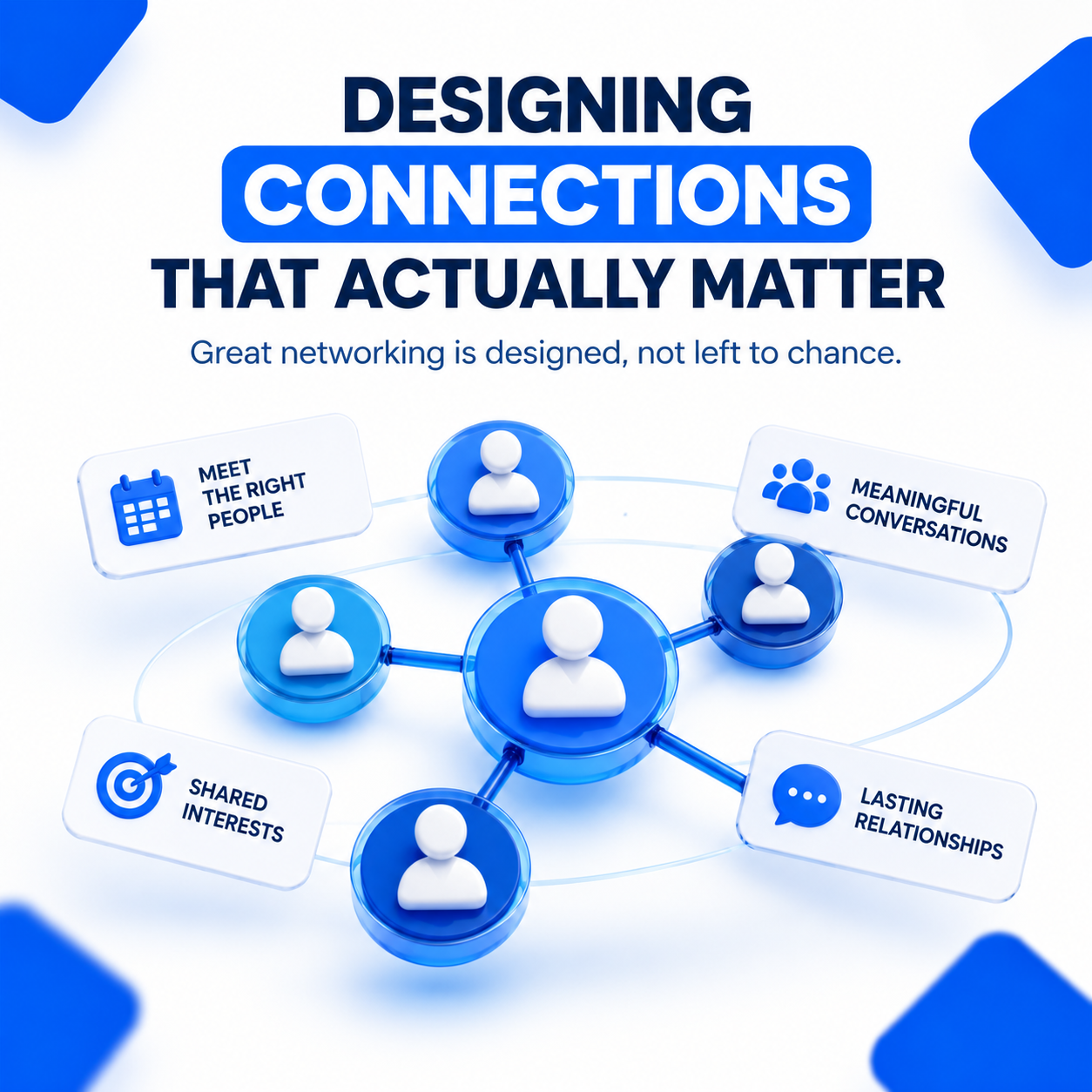
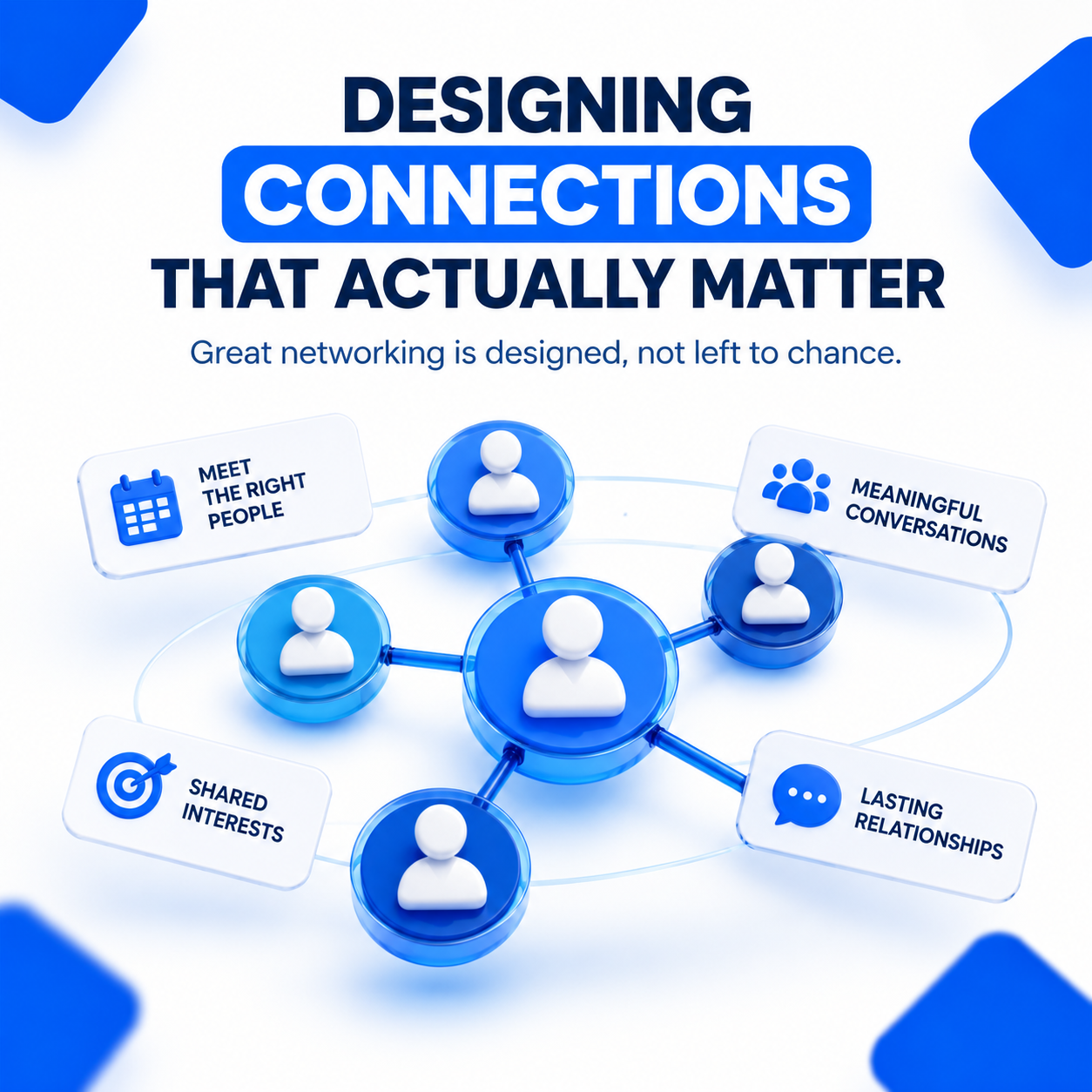
One of the biggest misconceptions in event planning is that networking happens naturally. Put enough interesting people in a room, the thinking goes, and the right conversations will take care of themselves. In practice, they rarely do. Many B2B events rely on chance for people to connect, hoping attendees will find the right people and walk away with meaningful outcomes. What actually happens is a lot of surface-level small talk, a handful of lucky encounters, and a large group of attendees who leave without meeting anyone who mattered to them.
That gap has a real cost. It shows up as weak attendee engagement during the event, thin sponsor conversations, and limited return on the time and money everyone invested in being there.
What makes event networking effective
Effective networking happens when the experience is intentionally designed to bring the right people together in the right context. That means giving attendees a clear reason to connect, a simple way to start a conversation, and a path to continue the relationship after the event ends.
Consider the difference in practice. At most events, a sales director interested in partnerships walks into a networking break with 300 strangers and a coffee. At a well-designed event, she has already been pointed towards four people exploring the same market, a roundtable on partnership models has been scheduled for that break, and there is an obvious way to follow up with anyone she meets. Same venue, same attendees, completely different outcome.
The most successful events treat connection as something to be designed, not hoped for. They create structured environments where attendees, sponsors, speakers and communities can meet with purpose. They reduce friction, guide interactions, and make it easy for people to have conversations that actually matter. This matters because, from an attendee's perspective, the value of an event is not just what they see or hear on stage. It is who they meet, what they discuss, and what happens after those interactions.
When networking is designed well, conversations become more relevant, connections become stronger, sponsor engagement improves, and post-event follow-up has a clear starting point. That is what drives real event success.
4 practical tips to design better event networking
1. Guide interactions instead of hoping for them
Do not rely on open networking alone. Unstructured mingling favours the confident few and leaves everyone else standing at the edge of the room. Structured formats such as curated introductions, roundtables, attendee matchmaking, guided discussions or small-group sessions give every attendee a defined way to meet people with purpose.
2. Reduce friction in the experience
Make it easy for attendees to find relevant people. Clear navigation, smart recommendations, simple attendee profiles and easy ways to connect all lower the effort required to reach out. Every step you remove reduces hesitation, and hesitation is what stops most connections from happening in the first place.
3. Create context for conversations
People connect better when they have a reason to talk. "What do you do?" is a hard opener; "you both work in regional healthcare procurement" is an easy one. Design networking moments around shared interests, industries, goals, challenges or event themes so conversations start with common ground rather than cold introductions.
4. Focus on outcomes, not activity
The number of conversations matters far less than their quality. Measure success through meaningful connections, follow-ups, sponsor conversations, qualified introductions and the real opportunities they create, not the raw count of badge scans or handshakes.
Connection is a design decision
If your event relies on chance for people to connect, it will always underperform, because the real value of an event lives in the connections created, the conversations continued, and the opportunities that come from them. None of that happens by accident.
At SixSides, we help event teams design experiences where the right people connect at the right moments before, during and after the event, so networking creates real outcomes, not just activity. If you want your next event to deliver stronger conversations and connections that last, get in touch and we will show you how.
Give your event a community that lasts
A branded app where members show up before day one and stay long after the close. We'll walk you through it.